Interview with Prof. Reisner, "The value of the reactor will come from the chemicals, not the hydrogen"
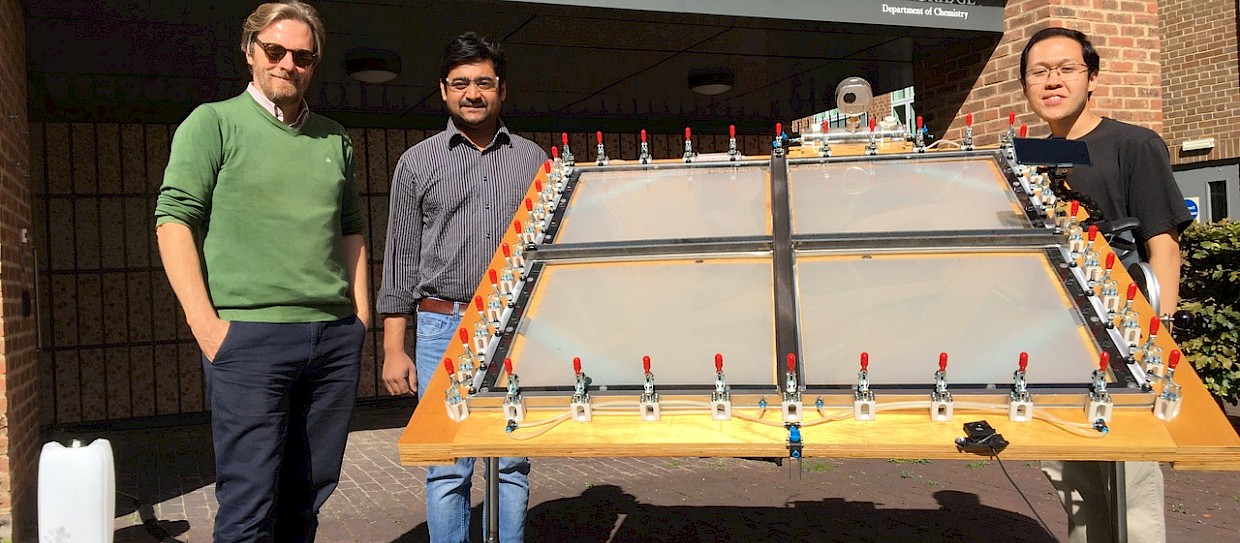
A 1 m² photocatalytic panel makes hydrogen from waste under real sunlight. Erwin Reisner on the true cost, the stability problem and where the value really is.
Introduction
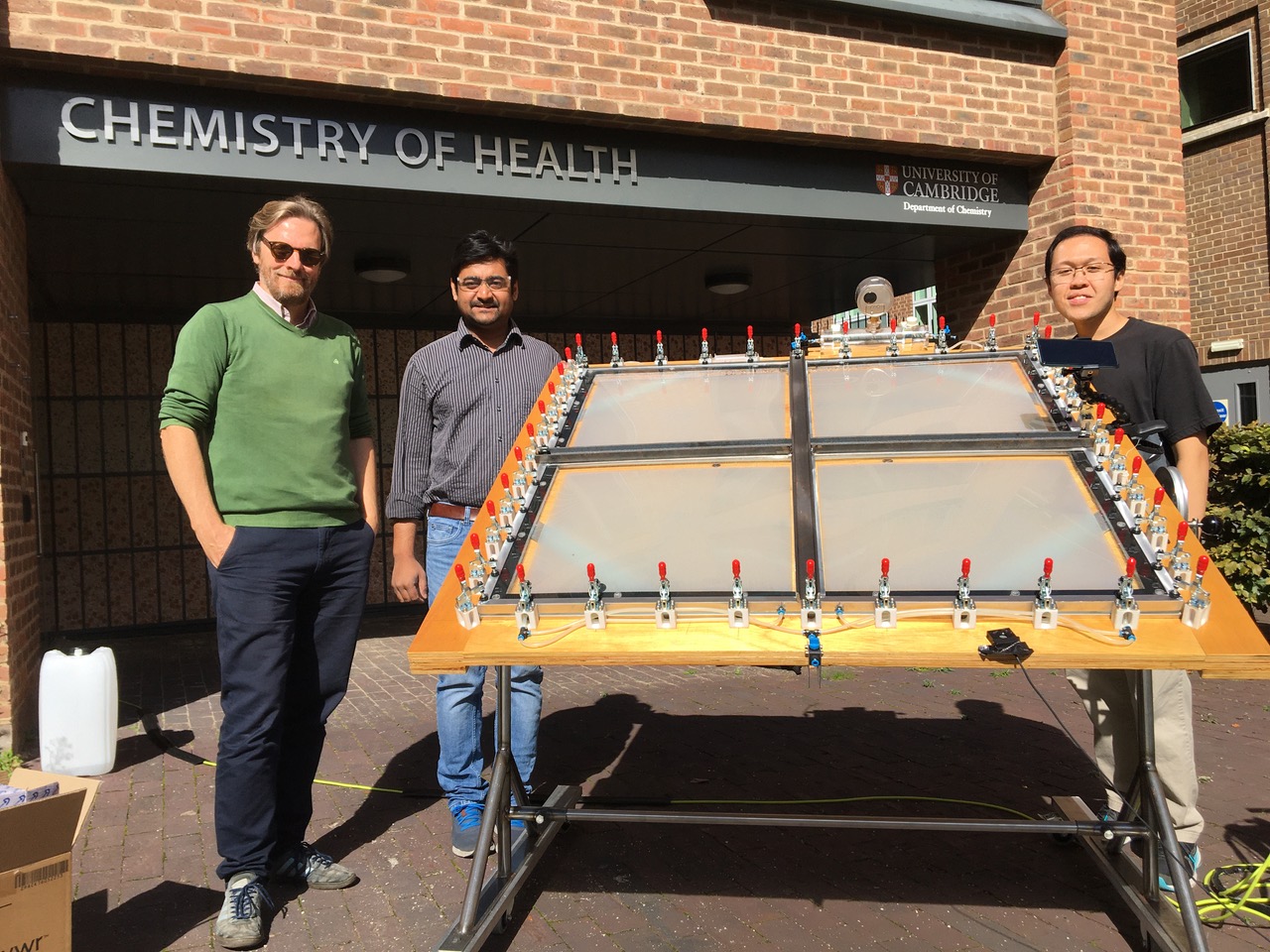
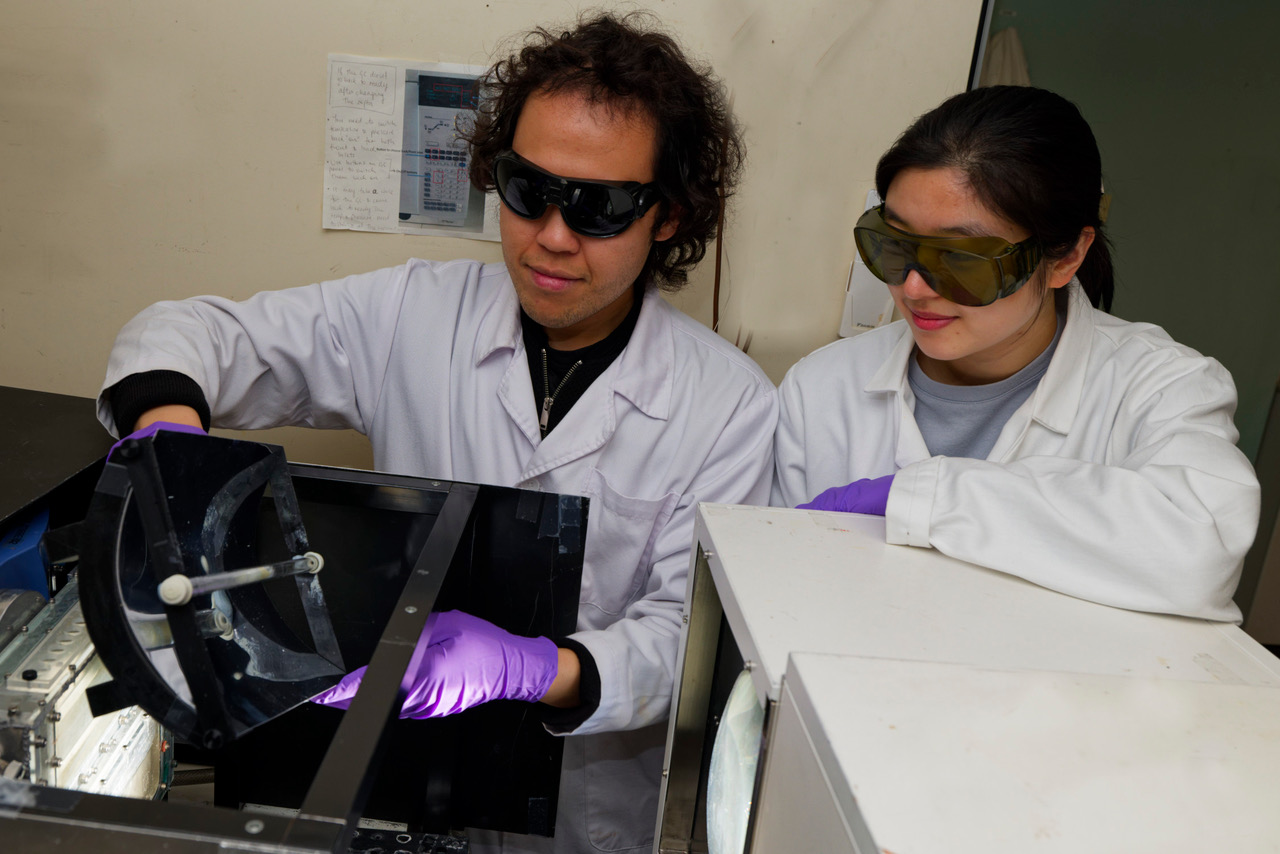
Turning waste into fuel with nothing but sunlight is one of the more seductive promises in sustainable chemistry, and one of the hardest to verify. In a study published in Nature Chemical Engineering, the group led by Prof. Erwin Reisner at the University of Cambridge took a photocatalytic system of the kind that normally lives on a one-square-centimetre lab sample and scaled it to a one-square-metre panel, then ran it outdoors under natural sunlight.
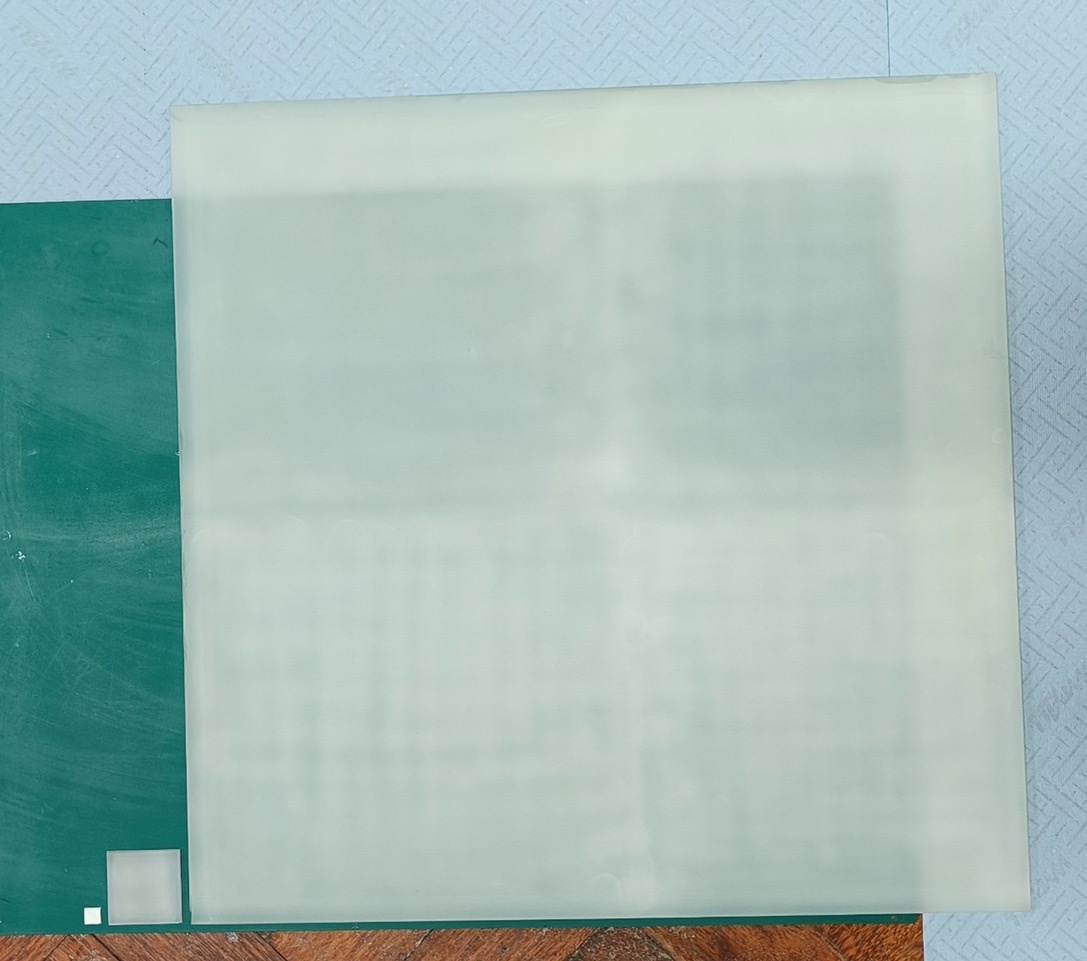
The panels convert glucose and cellulose into hydrogen and into value-added organics such as formate, acetate and glycolate, using a co-catalyst layer that is simply sprayed on at room temperature, with no high-temperature furnaces and no precious metals.
What makes the paper unusual is that the authors also published a techno-economic analysis built on the outdoor data rather than on idealised assumptions, and the figure it returns is not a flattering one. We asked Reisner about that figure, about what still stands between a panel and a plant, and about why he expects the hydrogen to be the least valuable thing his system produces.
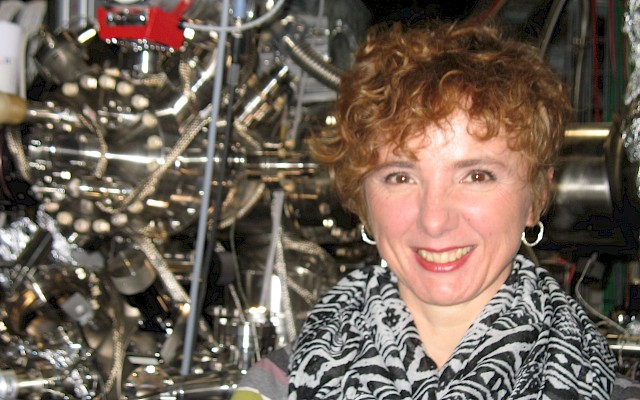
Erwin Reisner is Professor of Energy and Sustainability at the Yusuf Hamied Department of Chemistry, University of Cambridge, where he also holds a Royal Academy of Engineering Chair in Emerging Technologies and is a Fellow of St John's College. Trained in Vienna, at MIT and at Oxford, he has led the Reisner Lab in Cambridge since 2010. The group develops solar- and electricity-driven routes to fuels and chemicals for a circular economy, with a particular focus on upcycling plastic and biomass waste and on using carbon dioxide and water as feedstocks.
The path to this research
Q1. What earlier findings — in your group or in the field — led you to pursue solar photoreforming of waste as a route to green hydrogen? Was there a specific moment or observation that first convinced you that cellulose- and PET-derived streams could work as feedstocks?
Erwin Reisner: The water oxidation reaction, which usually serves as the necessary counter-reaction to hydrogen evolution, is thermodynamically demanding and often limits the overall rate of hydrogen production. Although replacing water oxidation with the oxidation of organic compounds has long been explored, these approaches have typically relied on valuable, non-sustainable chemicals as sacrificial substrates.
Using waste-derived feedstocks instead offers a more economically attractive and sustainable alternative, enabling the production of valuable chemicals while simultaneously reducing environmental waste. We began working on this concept a decade ago, demonstrating that abundant solid waste streams can serve as effective feedstocks for photoreforming.
Q2: What gap were you setting out to fill by moving from lab-scale demonstrations to a 1 m² panel operating outdoors under natural sunlight?
Prof. Reisner: Many photocatalytic systems for hydrogen evolution and waste photoreforming have already been developed. However, these systems have largely been demonstrated only at laboratory scale, typically on areas of around 1 cm², with little consideration of how they could be translated into practical, large-scale applications. In this work, we used single-source precursors to develop a versatile and scalable photoreforming system suitable for outdoor deployment. Equally importantly, we demonstrated the systematic translation of the technology from laboratory-scale devices to square-metre-scale reactors.
Findings, impact and relevance
Q3. Your techno-economic analysis is grounded in real outdoor performance data rather than idealized assumptions. How do your results compare with other low-emission routes to hydrogen — water electrolysis, but also benchmark photocatalytic water-splitting systems — and what does the analysis reveal about the realistic path to deployment?
Prof. Reisner:
Our preliminary analysis indicates that hydrogen produced by our photoreforming system is currently more expensive than hydrogen generated by other low-emission production technologies.
However, photoreforming is still a relatively young field, and our techno-economic analysis was limited to a 1 m² system.
Continued technological development and optimisation, together with further scale-up and the associated economies of scale, are expected to substantially reduce the cost of hydrogen production.
p>Moreover, our current analysis does not account for the additional value created by converting waste into valuable chemicals. Indeed, we anticipate that the economic viability of photoreforming will ultimately be driven more by these high-value chemical products than by the hydrogen itself.
Q4. What are the most critical hurdles — co-catalyst leaching and durability, efficiency, scale-up — still standing between this demonstration and a practical system?
Prof. Reisner:
The biggest hurdle is the long-term stability of the system. So far, we have demonstrated stable operation over timescales of days. However, practical deployment will likely require operational lifetimes measured in years.
This challenge was also identified as a key driver in our techno-economic analysis, highlighting the critical importance of improving system durability.
Q5. In plain terms, why should an ordinary citizen — say, an Italian reader worried about energy costs and plastic waste — care that sunlight can turn waste into hydrogen?
Prof. Reisner: Plastic waste can persist in the environment for decades, accumulating in soils and waterways and causing harmful effects on ecosystems, wildlife, and ultimately human health. At the same time, although hydrogen is expected to play a key role in the transition to a sustainable energy system, most hydrogen is still produced from fossil fuels, resulting in significant carbon emissions. Photoreforming offers a unique opportunity to address both challenges simultaneously by upcycling plastic waste into valuable products while producing green hydrogen. In doing so, it provides a potential solution to two pressing issues with direct consequences for society.
The scientist behind the research
Q6. Your system already co-produces value-added organics such as formate, acetate and glycolate alongside hydrogen. Looking ahead, does the greatest promise lie in maximizing those chemical co-products, or in extending the platform to more complex, real-world mixed waste streams? Which direction is your group actively pursuing?
Prof. Reisner: We are actively pursuing both research directions, as neither can be overlooked if photoreforming is to become a viable technology. Maximising the production of valuable chemicals from waste feedstocks is essential because these products are expected to contribute the majority of the economic value of the process, whereas hydrogen is a relatively low-value commodity. At the same time, extending photoreforming to more complex, mixed waste streams is equally important, as real-world waste is rarely composed of a single material. Together, these advances will be critical for translating photoreforming from the laboratory to practical applications.
Q7. What is the most intellectually exciting aspect of this work for you personally?
Prof. Reisner: The problem is not just a chemistry challenge and it requires a truly holistic approach that spans the physical sciences, engineering, economics, and the social sciences. This makes it an especially exciting challenge, pushing my entire team beyond our comfort zone and encouraging us to think across disciplinary boundaries.
Q8. Can you share a turning point in your career — a moment that changed how you approached a problem?
Prof. Reisner: There have already been many turning points! For us, a major one came when we shifted our focus from our laboratory's existing expertise to the problem itself. In academia, we are often trained in a particular set of techniques and then seek to justify our research by applying our specialised skills to contemporary challenges. I believe the process should be reversed: if we genuinely want to address important societal challenges, we must begin with the problem and then bring together the expertise needed to solve it.
Q9. What originally drew you to chemistry, and specifically to solar fuels?
Prof. Reisner: The fascination of understanding photosynthesis and the immense scientific challenge of replicating this process in the laboratory.
Keep reading
Energy →
Interview with Prof. Kujawska, "Graphene dots may help fight Parkinson's protein clumping"
4 June 2026 · 5 min
Interview with Prof. Liangbing transparent wood production
8 February 2021 · 4 min